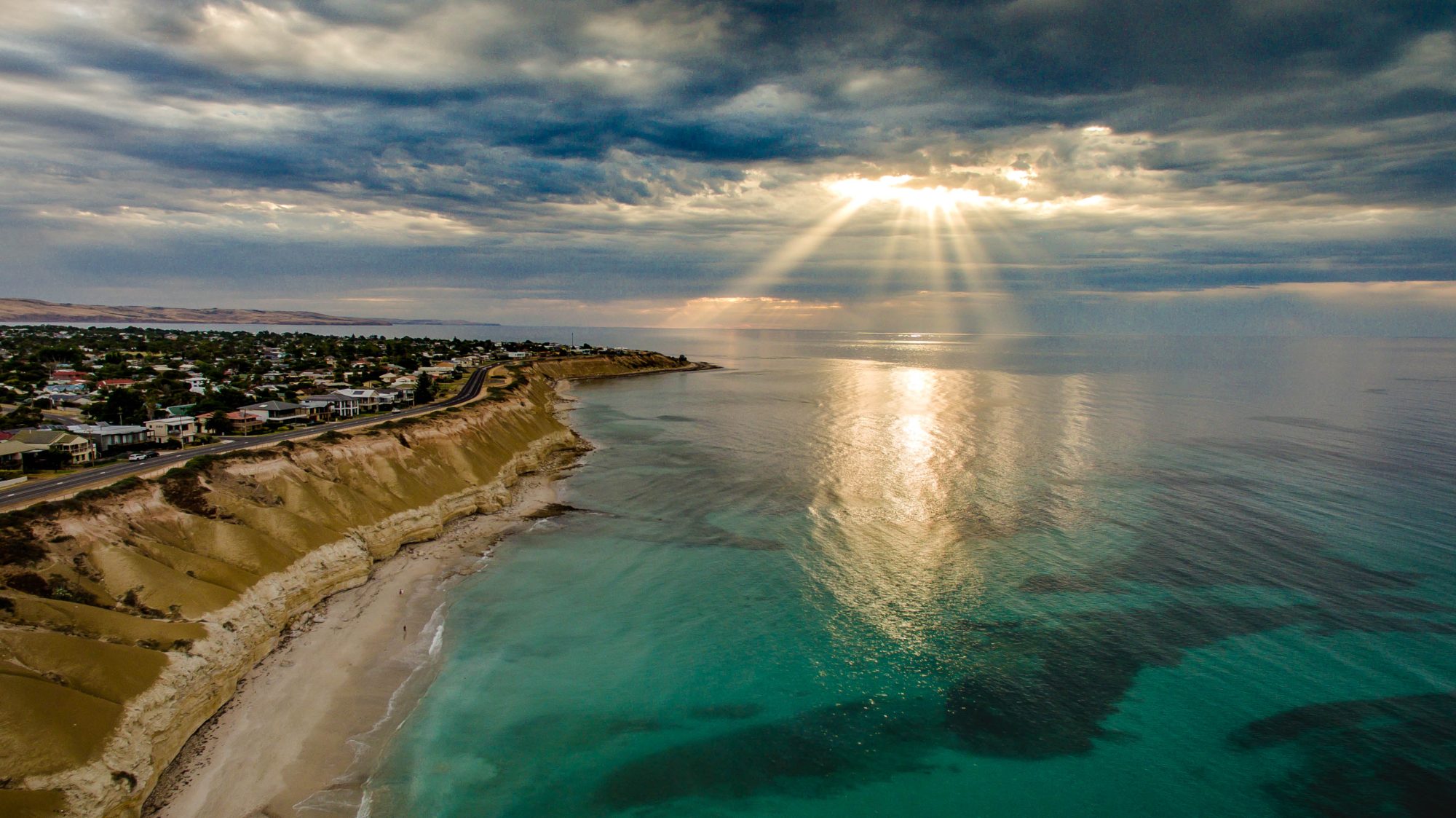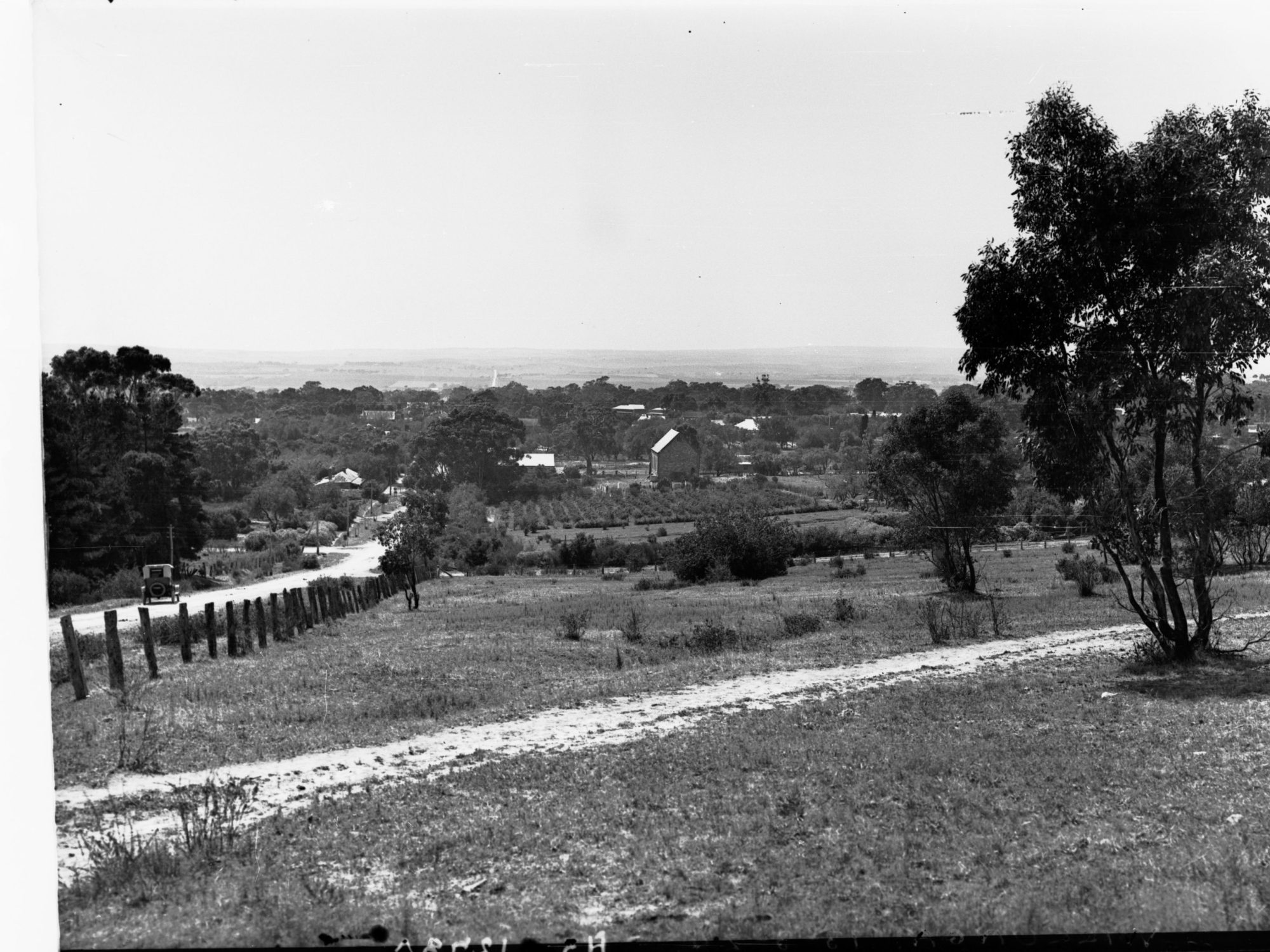
After the Second World War, families from southern Italy bought land at the edge of McLaren Vale and started planting. Eighty years later, their names are stamped on half the cellar doors in the Vale and on most of its best restaurants.
A wine region before the Italians arrived
McLaren Vale was already a wine region when the first Italian families arrived. The English settlers Thomas Hardy and Dr Alexander Kelly had planted vines in the 1850s. Hardys Tintara was producing wine commercially by 1858. By the 1920s the area was known as 'the Vale' and the wines being made there were almost entirely fortified - port, sherry, muscat - sold in bulk to merchants in Adelaide and shipped to England. It was a quiet, conservative, Anglo-Australian farming district where most of the families had been on their land since the 1850s and most of the names on the deeds were British.
What happened after the Second World War turned that quiet district into something else.
The post-war migration
Between 1947 and 1971, Australia took in roughly 360,000 Italians under the Assisted Passage scheme - the largest single intake of European migrants in the country's history. They came overwhelmingly from the south of Italy: Calabria, Sicily, Campania, Puglia. Most arrived with very little money, no English, and a hunger for land. Many ended up in the cane fields of Queensland and the orchards of Mildura. A smaller but significant number found their way to the southern outskirts of Adelaide and started looking at the cheap, marginal land at the back of McLaren Vale.
The land was cheap because the soils were poor and the rainfall was unreliable. The English farmers who had been there for a century knew this and kept their best blocks for grazing and almonds. The Italians took the second-best blocks - the slopes, the rocky paddocks, the back corners - and started planting vines. They knew vines because most of them came from villages where the family vineyard had been on the same hillside for generations. They knew how to dry-grow them. They knew how to prune them. They knew how to make wine from them at home, in barrels, in volumes their wives could carry to the village square in jugs.
They were not, at first, in the wine business. They were growing grapes to sell to the big established Anglo wineries - Hardys, Reynella, Hamilton - which paid by the tonne and asked no questions about the family's drinking habits. The Italian families grew the fruit, took home what their families needed for the year, and sold the rest. It was a quiet, parallel economy on the margins of a quiet, parallel district.
When they started making the wine themselves
The shift came in the 1970s and 1980s. Australian wine consumption was changing - table wine was overtaking fortifieds, single-variety reds were becoming fashionable, and the kids of the original migrants were going to university and to wine school. They came back to the family vineyards and started making the wine themselves, under their own family names, in small volumes at first.
The Coriole story is the first chapter of this. Mark Lloyd's family bought the Coriole property in 1967 - they were Anglo-Australian rather than Italian, but they imported Italian thinking. They were the first in the Vale to plant Sangiovese commercially in 1985. The next decade saw a wave of Italian-named labels appear: Scarpantoni (the family had been growing grapes since 1958, started bottling under their own name in 1979), Maxwell (Anglo, but planting Italian varieties early), Vigna Bottin (Bottin family, third-generation Italian-Australian, started bottling in 1998), Mitolo (Frank Mitolo and the Mitolo family, founded 1999), Sabella (the Cangiano family on Main Road), Conte Estate (now The Vine Shed), Zerella, Curtis Family Vineyards (founded 1973 by the three Curtis siblings).
Most of these families were not making wine for a global market. They were making it for relatives, for friends, for the local Italian community in Adelaide that had grown to several tens of thousands of people. The wines were rougher than the polished Anglo offerings, more Italian in their orientation, and they had a clear, devoted home audience. That audience grew. The wine improved. By the 2000s the Italian-named labels were winning national awards and selling internationally.
What the Italians changed
The Italian families changed McLaren Vale in three lasting ways.
First, they brought Italian grape varieties. McLaren Vale today has the largest plantings of Italian varietals on the Australian mainland - Sangiovese, Nebbiolo, Fiano, Vermentino, Aglianico, Montepulciano. These are climate-appropriate varieties (they handle heat far better than the French canon) and they are now widely seen as the future of the Vale as the climate continues to warm. Without the Italian families and their nostalgia for home varieties, almost none of these would be in the ground.
Second, they brought a food culture. The Italian families opened restaurants - Sabella, The Vine Shed, Pizzateca, Frankie Italo - that turned cellar doors into proper dining destinations. The McLaren Vale long lunch is a direct cultural import from southern Italy: family-style, all afternoon, wine and pasta and slow conversation. None of that existed in the Anglo wine industry of the 1950s.
Third, they brought numbers. The big Anglo wineries had been the entire industry. The Italian families turned McLaren Vale into a region of small producers - 130-plus cellar doors today, almost all of them family-owned, and a significant proportion of them with Italian names on the bottle. The economic and cultural shape of the region today - boutique, family-run, food-paired, dense with cellar doors - is largely the work of those post-war families.
What's still here
Walk down the main road through McLaren Vale today and the Italian story is everywhere. Sabella's restaurant on Main Road. Mitolo's Frankie Italo dining room on McMurtrie Road. The Vine Shed at Conte Estate on Sand Road. Pizzateca on Chalk Hill Road, run by descendants of Calabrian wine families. Curtis on Martins Road. Zerella on Olivers Road. Vigna Bottin in central McLaren Vale. The names on the cellar door signs are mostly the names of grandchildren and great-grandchildren of post-war assisted-passage migrants from villages most of whose names are no longer in any English-language atlas.
The Italians did not invent McLaren Vale. But they did, between roughly 1950 and 2000, comprehensively rebuild it.
Places mentioned

Hardys Tintara
McLaren Vale
d'Arenberg Cube
McLaren Vale
Pizzateca
McLaren Vale
Frankie Italo Dining & Disco Lounge
McLaren Vale
Oxenberry Farm
McLaren Vale
Sabella Vineyards
McLaren Vale
Zerella Wines
McLaren Vale
Curtis Family Vineyards
McLaren Vale
The Vine Shed (Conte Estate)
McLaren Vale